




Can You Flat-Tow a 2026 Jeep Wrangler in Peninsula, OH Without Headaches?
Valley Motor City – Can You Flat-Tow a 2026 Jeep Wrangler in Peninsula, OH Without Headaches?
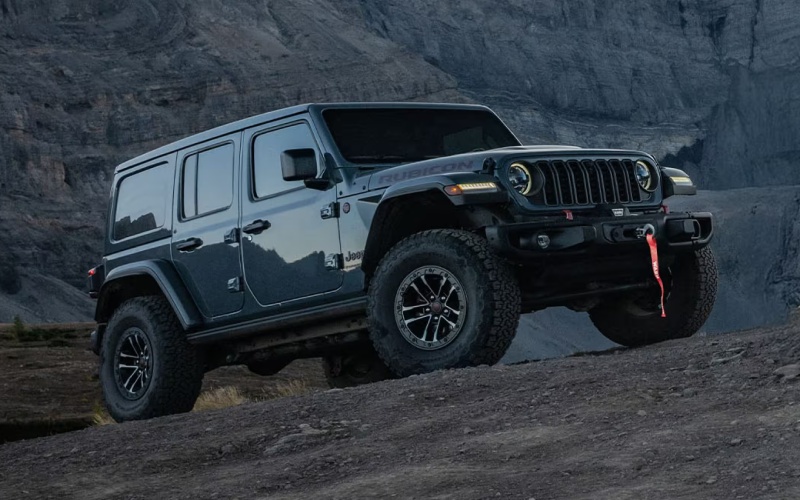
Many shoppers researching the latest Jeep® Wrangler also own an RV or plan extended road trips, which is why flat-towing is a key question—especially if you live near the northern edge of Cuyahoga Valley National Park and want to set up basecamp quickly. The good news is that the 2026 Wrangler is engineered from the frame up with real-world versatility in mind, including the ability to be flat-towed when properly equipped and set up correctly.
Below, we’ll explain what flat-towing is, which Wrangler systems support it, and the essential steps to do it the right way. We’ll also share practical tips for Peninsula, OH drivers who mix in-town driving with weekend getaways, plus what to double-check before you roll out.
What Flat-Towing Means for Your Trip
Flat-towing—sometimes called “dinghy towing”—means towing your vehicle with all four wheels on the ground. For RV travelers, it’s a time-saver: no trailer to load or unload, and it keeps your overall rig length down for tighter trailheads and smaller campsites. The 2026 Wrangler’s part-time and available full-time 4×4 systems, robust transfer case, and neutral setting make it a solid partner for this kind of travel when configured and operated as directed in the Owner’s Manual.
Before we go deeper, your motorhome must be rated to tow the Wrangler’s weight, and your Wrangler must be properly equipped with compatible towing gear. Always confirm ratings and instructions in factory documentation for both vehicles.
Wrangler 4×4 Systems and Flat-Towing Basics
The Wrangler’s 4×4 lineup includes Command-Trac® (part-time, 2.72:1 low range), Rock-Trac® (available part-time or full-time with a 4:1 low range), and the available Selec-Trac® full-time system. A key step in any proper flat-tow setup is placing the transfer case in Neutral—this decouples the driveline from the wheels so they can rotate freely while being towed. You’ll also want the transmission in Park (or per the Owner’s Manual procedure) once the transfer case is in Neutral, and the ignition set as instructed for steering and accessory settings.
Getting the sequence right matters. Each 4×4 system is designed for specific use cases: Command-Trac® excels for owners who use 2H on pavement with 4H and 4L reserved for low-traction conditions, while Rock-Trac® brings lower gearing for demanding trails. Selec-Trac® adds an Auto mode, managing front and rear torque as conditions change. Flat-towing procedures accommodate all of these, but the exact steps vary slightly. That’s why we always recommend reviewing the procedure in your Wrangler’s Owner’s Manual, then practicing once in a safe, open space before your first trip.
Step-by-Step: A Practical Run-Through
While the Owner’s Manual is the source of truth, here’s a simplified, high-level run-through to help you visualize the process before your first practice session:
- Park on level ground with your RV aligned
- Set the parking brake in the Wrangler
- Shift transmission to Neutral per the manual
- Move the transfer case to Neutral as instructed
- Place the transmission in Park or as specified
- Follow ignition/accessory settings for steering
- Attach tow bar to approved brackets on the Wrangler
- Connect safety cables and verify proper crossing
- Hook up lighting/brake systems as required by law
- Perform a rolling test to confirm free movement
Once you’ve validated a smooth roll with the transfer case in Neutral, recheck all connections, then proceed with a short, low-speed test loop. Listen for unusual noises and confirm consistent tracking behind your motorhome before heading toward the valley’s scenic roads.
Local Tips for Peninsula, OH Travelers
Peninsula, OH is a gateway to winding park roads, narrow trailhead lots, and quick changes in surface quality. A flat-tow Wrangler helps you navigate those tighter spaces once you unhook, and the open-air flexibility is perfect for scenic drives along the river. Keep these local-minded tips in your back pocket:
- Plan shorter approach routes to smaller trailheads
- Practice unhooking on level gravel before your trip
- Verify campground rules for parking and tow vehicles
- Pack wheel chocks for uneven surfaces near rivers
- Bring a laminated checklist for quick reference
If you expect rain or muddy shoulders, consider Wrangler setups with available rock rails and winch-capable steel bumpers—not just for off-road confidence, but for added recovery points if conditions deteriorate near dirt lots or trail pull-offs.
Safety and Equipment Essentials
The right hardware is non-negotiable. Use a quality tow bar rated for your Wrangler’s weight, vehicle-specific base plates or brackets mounted to approved points, safety cables, and a supplemental braking system if required by state law or best-practice guidance for your RV. Also, confirm lighting compliance with a wiring solution designed for your rig.
Because Wrangler places radar sensors above the rearview mirror—not in the front bumper—you can pair available Adaptive Cruise Control for solo highway driving without compromising recovery hardware at the bumper. It’s a small detail that underscores Wrangler’s thoughtful design for real-world use.
Why Many RVers Prefer a Wrangler
A flat-towable vehicle must be durable, easy to maneuver, and quick to unhook. The Wrangler checks every box. Its high-strength steel frame, solid axles, and Trail Rated® engineering translate into predictable handling on gravel and rutted surfaces once you arrive. And if the weather clears, removing doors with the quick-release hinges lets you take in the views as you roll through the park roads with the top flipped back. When you’re finished, the available full-time Selec-Trac® system can make mixed-surface drives home feel seamless.
For help fine-tuning your setup—tow bars, brackets, and recovery accessories—our team at Valley Motor City can walk you through options that pair well with your RV and route plans while keeping OEM guidance and compatibility top of mind.
Frequently Asked Questions:
Can every Wrangler trim be flat-towed?
Wrangler models with proper 4×4 transfer cases can be flat-towed when correctly configured. Always confirm your specific trim and follow the exact procedure in your Owner’s Manual.
Do I need a supplemental braking system?
Many states require one for safety and compliance when towing a vehicle behind a motorhome. Even where not mandated, a supplemental system is widely recommended for control and reduced wear on your RV’s brakes.
How do I avoid driveline damage?
Follow the factory flat-tow procedure precisely—most importantly, ensure the transfer case is in Neutral and verify correct ignition and transmission positions before moving. Practice once in a safe area before your first trip.
What about steering wheel lock?
Your Owner’s Manual will specify the ignition or accessory setting required to keep the steering free while towing. Double-check this step each time you hook up.
With a careful setup and a little practice, flat-towing a Wrangler makes Peninsula, OH adventures simpler. And if your travels extend beyond the valley, having a capable, compact SUV on arrival means you can park the RV and still reach trailheads or trail-town restaurants easily. For tailored guidance and accessories, our team is here and serving Hudson, Peninsula, and Tallmadge with a friendly, knowledgeable approach that respects both your time and your trip plans.
0 comment(s) so far on Can You Flat-Tow a 2026 Jeep Wrangler in Peninsula, OH Without Headaches?